 English
  Français
  Español
 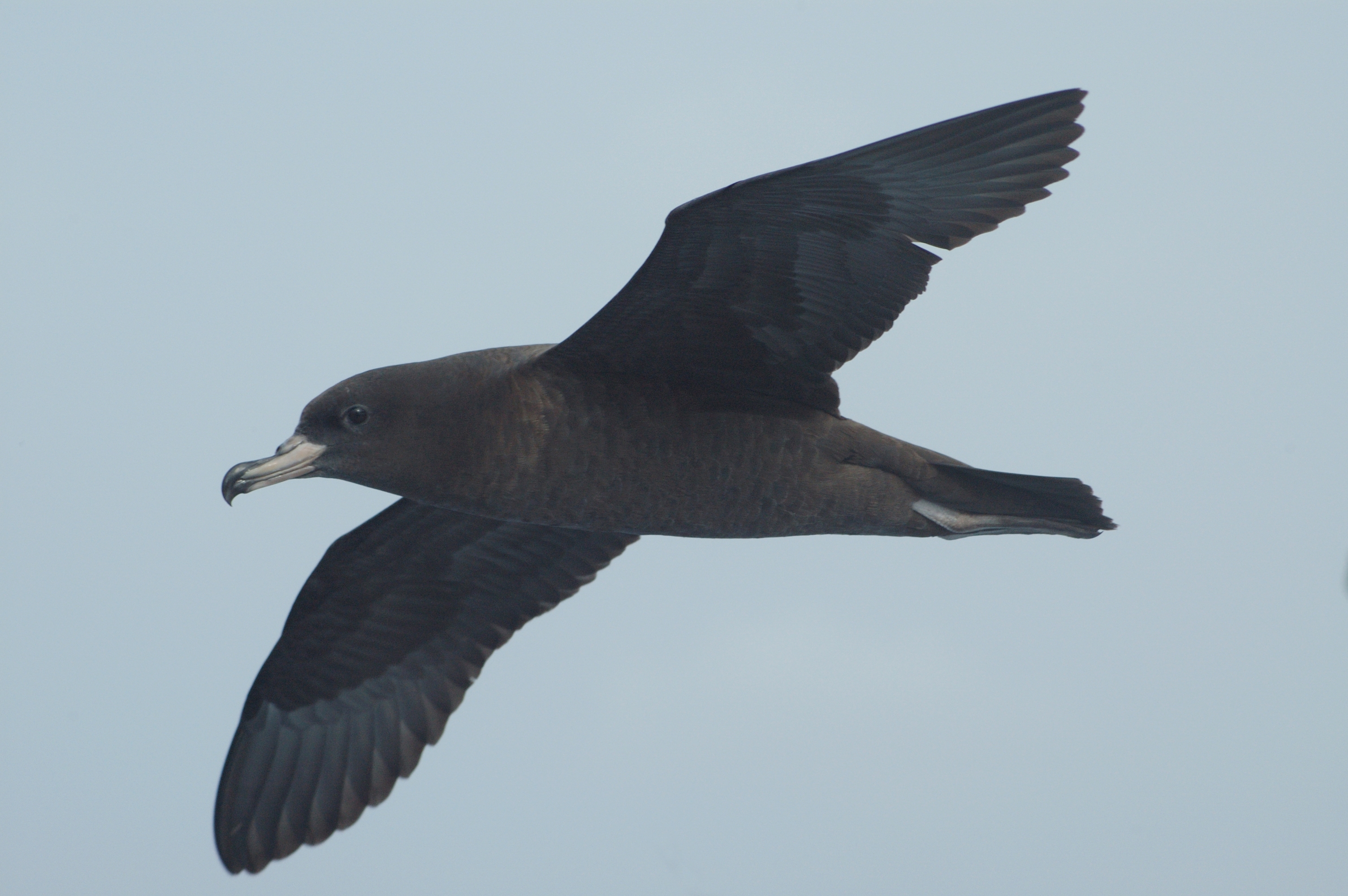 Flesh-footed Shearwater, photograph by Mike Double
Jennifer Lavers (Gulbali Institute, Charles Sturt University, Wagga Wagga, New South Wales, Australia) and colleagues have published open access in the Journal of Hazardous Materials: Plastics on plastic pollution and kidney dysfunction in Near Threatened Flesh-footed Shearwaters Ardenna carneipes
The paper’s abstract follows:
“Plastic pollution is increasing rapidly and poses significant risks to wildlife health. Seabirds are particularly vulnerable because floating plastics resemble prey and contain diverse chemicals that can leach into digestive tissues. We revisited blood data and ingested plastic loads from Sable Shearwater Ardenna carneipes fledglings collected in 2014 and compared these with new data from 2025 to assess changes in physiological responses over time. Fledglings in 2025 exhibited substantially higher plastic burdens (mean ± SD plastic mass in g; 2014: 0.100 ± 0.211, 2025: 12.966 ± 16.670), which were closely associated with disruptions in electrolyte balance, including decreased sodium, chloride, and calcium and increased potassium and carbon dioxide. These patterns are consistent with impaired renal function. Glucose concentrations declined with increasing plastic mass, and mediation analysis showed that body mass did not account for this relationship. The findings indicate that direct effects of plastic exposure, rather than nutritional status, are associated with the observed physiological impairments. The worsening of key health indicators over the past decade highlights the need for continued long term monitoring and for research into the mechanisms by which plastics contribute to kidney dysfunction and metabolic disruption in marine wildlife.”
Reference:
Lavers, J.L., de Jersey, A.M., Rivers-Auty, J. & Bond, A.L. 2026. Ingested plastic alters physiological variation independent of body mass in seabird fledglings. Journal of Hazardous Materials: Plastics 5, 100082.
John Cooper, Emeritus Information Officer, Agreement on the Conservation of Albatrosses and Petrels, 29 September 2026